Young people under the age of 25 now make up nearly half of the world’s population, and nine out of ten of them live in developing countries.
In conflict-affected and fragile states, 40 million children and youth are out of school; they make up over half of the 75 million out-of-school young people worldwide. Girls—whose education and employment opportunities are further limited by gender-based violence and discrimination—are worst-off.
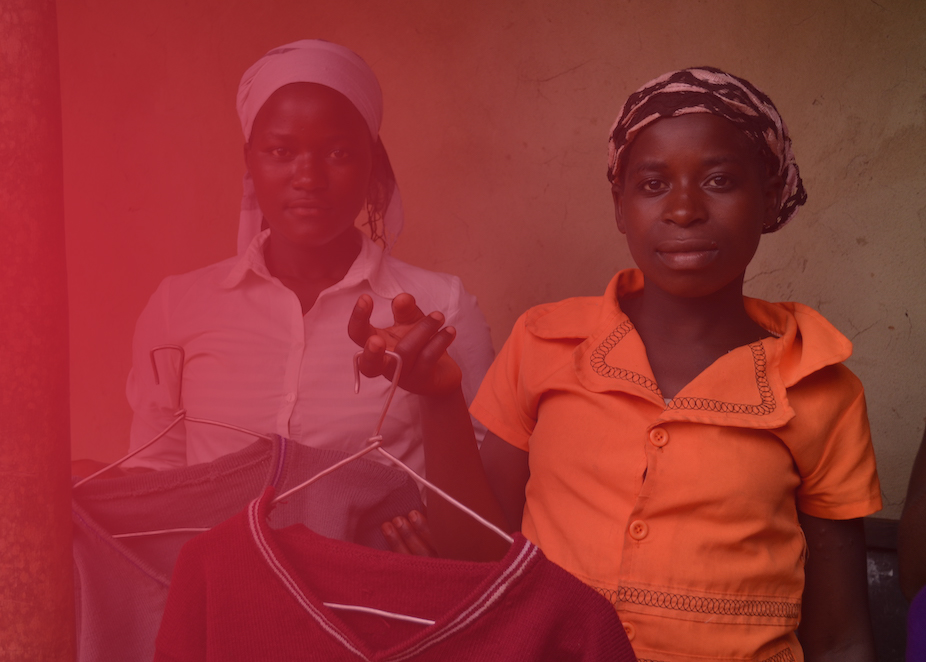
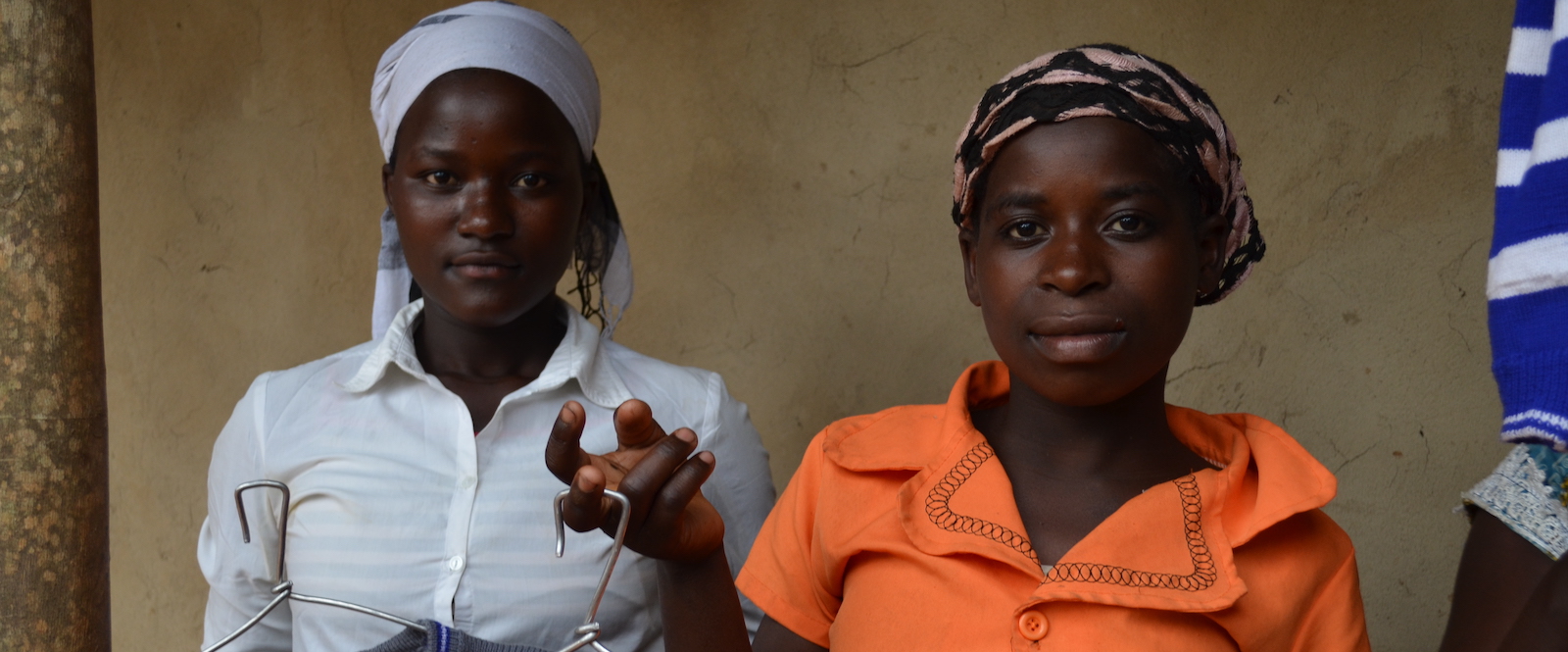
Without school or vocational training, displaced youth sit idle in camps all day long, or if in urban areas, they take their chances working informally. With growing frustration and little hope for the future, these youth can become a source of violence and insecurity. Meanwhile, their enormous potential to contribute to their families and societies goes largely unnoticed and unsupported.
Education is a human right that all children and youth are entitled to regardless of where they live. Yet, although essential to the development of a stable society, schooling and job training in conflict-affected regions are often hard to come by.
The Women's Refugee Commission works to ensure that displaced youth have opportunities to learn and grow so they can contribute to their communities and one day be able to support themselves and their families. We conducted research in multiple countries looking at the education and livelihood opportunities available to youth ages 15—24. We met with hundreds of displaced young women and men in Jordan, Liberia, Sierra Leone, southern Sudan, Sudan, Thailand, Uganda and the United States. We listened to them to learn what worked and what could have worked better to support their educational and skills-building needs. Read the synthesis report of our findings and recommendations.
Produced by the Child Protection Working Group
During and after humanitarian crises, extra burdens are placed on children, and they are exposed to greater risks. Families who have lost their means of making a living may pull their children, especially girls, out of school to contribute to household incomes or care for siblings. Children who have lost their parents may turn to harmful strategies, such as petty crime or transactional sex, to meet their basic survival needs.
Governments and agencies working in these settings often establish economic strengthening programs (skills training, savings groups, microcredit initiatives, etc.), but they don’t necessarily consider the impact on children. Such programs can have positive effects, but they can also increase child labor and school dropout. Introducing new economic incentives can cause children to change their routines in dangerous ways, increasing their risk of violence.
In developing livelihood programs, humanitarian agencies should strive to maximize the benefits and minimize the harm for children. To this end, the Women’s Refugee Commission leads the global interagency Task Force on Livelihoods/Economic Strengthening and Child Protection, part of the Child Protection in Crisis (CPC) Network. Through research and advocacy, we work to improve the design, quality, safety and effectiveness of economic programs for adults, young people and children.
We worked on the child labor and economic recovery bits of this major new tool, Minimum Standards for Child Protection in Humanitarian Action.
Task force newsletters are available in the box at top right of this page.